Technology is a fundamental driver in the realm of space exploration. Its advancements shape rocket capabilities, enhance artificial intelligence, and improve robotics and satellite systems. Each innovation contributes to reducing costs and increasing efficiency. The integration of these technologies not only supports missions but also transforms data collection methods. However, the implications of these developments extend beyond mere exploration. What possibilities lie ahead as these technologies continue to evolve?
Advancements in Rocket Technology
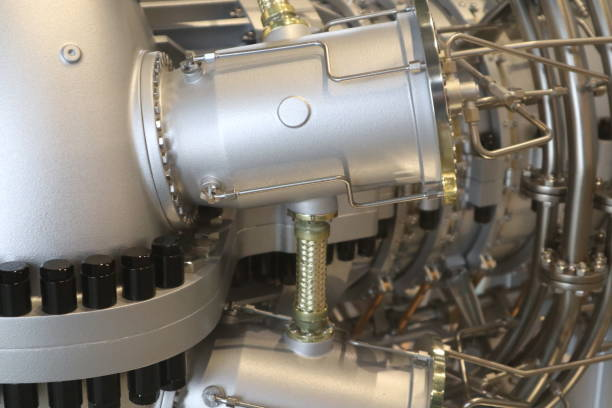
As space exploration continues to evolve, advancements in rocket technology play a crucial role in enabling deeper and more efficient missions beyond Earth’s atmosphere.
Recent propellant advancements enhance the energy output and efficiency of launch systems, reducing costs and increasing payload capacities.
These innovations not only facilitate the exploration of distant celestial bodies but also embody humanity’s quest for freedom in the cosmos.
See also : loteriaanguiladela
The Impact of Artificial Intelligence
While the integration of artificial intelligence (AI) into space exploration remains a relatively recent development, its impact is already proving transformative.
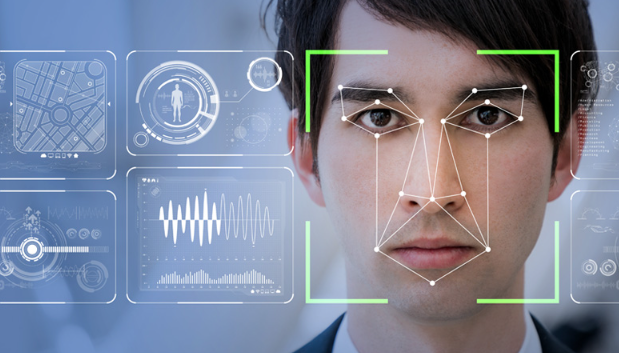
AI enhances data analysis through machine learning algorithms, enabling spacecraft to process vast amounts of information quickly. This capability allows for improved decision-making, anomaly detection, and mission planning, ultimately fostering a more efficient and responsive approach to uncovering the mysteries of the universe.
Robotics and Automation in Space Missions
Robotics and automation play a crucial role in modern space missions, enabling tasks that would be perilous or impossible for human astronauts.
Robotic arms facilitate intricate repairs and manipulations on spacecraft, while automated rovers conduct extensive surface exploration on other planets.
These technologies enhance mission efficiency and safety, allowing for the expansion of human knowledge and presence in the cosmos, ultimately supporting the quest for freedom in exploration.
Satellite Technology and Data Collection
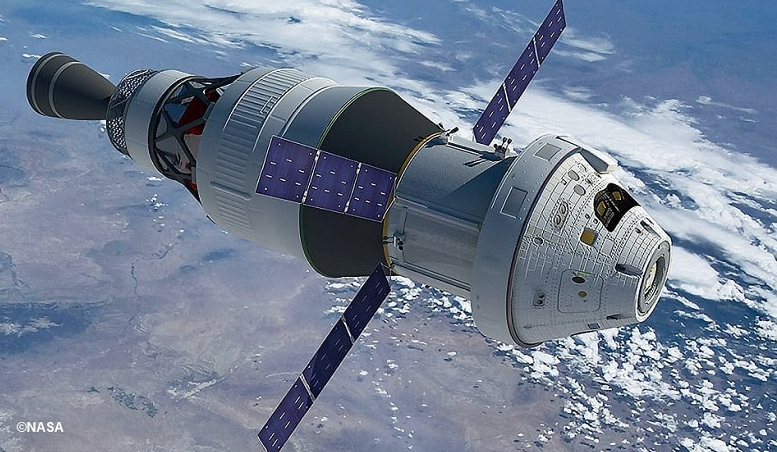
Satellite technology has revolutionized data collection, providing an unprecedented ability to gather and transmit information from Earth’s orbit and beyond.
Through advanced satellite imagery, scientists can monitor environmental changes, urban development, and resource management.
Additionally, robust communication networks facilitate real-time data sharing, enhancing collaboration among researchers and governments.
This technology empowers societies to make informed decisions, fostering a greater understanding of our planet and the universe.
Conclusion
In the grand scheme of space exploration, one might ironically ponder whether humanity’s greatest achievement lies in its technological prowess or its profound need to escape the very planet it has exploited. As advancements in rocket technology, artificial intelligence, robotics, and satellite systems propel us into the cosmos, they simultaneously reveal our limitations on Earth. Thus, while technology expands our horizons, it also highlights an unsettling truth: the more we reach for the stars, the more we risk losing our home.