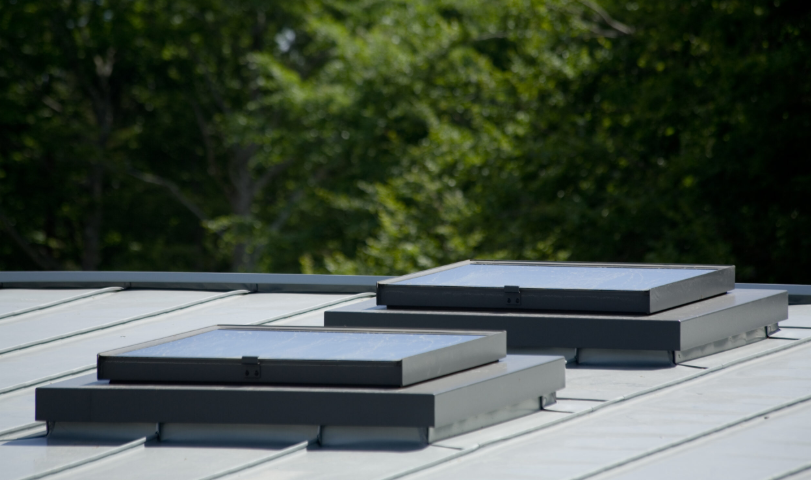
Flat rooflights are an excellent way to bring natural light into homes, commercial spaces, or extensions with flat or low-sloped roofs. They not only enhance the aesthetics of a building but also improve energy efficiency, ventilation, and overall comfort. Whether you’re considering a residential kitchen extension or a commercial office upgrade, understanding how to buy flat rooflights and what factors to consider is crucial to making the right choice. This guide covers everything you need to know before purchasing roof lights for flat roofs.
What Are Flat Rooflights?
Flat rooflights are glazing systems installed on flat or low-pitched roofs to allow daylight to enter the space below. Unlike traditional pitched skylights, flat rooflights sit close to the roof surface and typically feature a low-profile design that blends seamlessly with modern architecture.
There are several types of flat rooflights available:
- Fixed flat rooflights: Provide natural light without ventilation.
- Ventilated or opening rooflights: Allow airflow in addition to daylight.
- Access rooflights: Designed to support light foot traffic while providing access to the roof for maintenance.
- Modular flat rooflights: Offer flexibility in size and layout, ideal for larger spaces or complex roof designs.
These rooflights can be made from various materials, including glass, polycarbonate, or acrylic, each offering different levels of clarity, durability, and thermal insulation.
Benefits of Installing Flat Rooflights
Installing flat rooflights can transform your property in numerous ways. Here are the key benefits:
1. Increased Natural Light
One of the main advantages of flat rooflights is the amount of natural light they bring into a building. This not only makes interiors brighter and more inviting but also reduces the need for artificial lighting during the day, contributing to energy savings.
2. Enhanced Energy Efficiency
Modern flat rooflights often come with insulated glazing or thermally efficient materials that reduce heat loss in winter and minimize heat gain in summer. This can lower heating and cooling costs while creating a more comfortable indoor environment.
3. Improved Ventilation
Opening flat rooflights allow hot air to escape and promote airflow, which is particularly beneficial in kitchens, bathrooms, or commercial spaces where ventilation is important. Proper ventilation can also prevent condensation and maintain better air quality.
4. Aesthetic Appeal
Flat rooflights provide a sleek, contemporary look, enhancing the visual appeal of both residential and commercial properties. They can be integrated seamlessly into flat or low-pitched roofs, maintaining architectural harmony while providing functionality.
5. Low Maintenance
Most modern flat rooflights are designed to be durable and require minimal upkeep. The materials used, such as polycarbonate or acrylic, resist weathering, UV damage, and impact, while the low-profile design helps shed rain and debris naturally.
Types of Flat Rooflights
Choosing the right type of roof light for flat roofs is essential for both performance and aesthetics. Here are the main options:
1. Fixed Flat Rooflights
Fixed rooflights are permanently closed and provide consistent natural light. They are ideal for areas where ventilation is not required, such as corridors, stairwells, or living rooms.
Pros:
- Simple and easy to install
- Affordable
- Minimal maintenance
Cons:
- No ventilation
- Limited airflow
2. Ventilated or Opening Rooflights
These rooflights can be opened manually or electronically to allow air circulation. They are ideal for kitchens, bathrooms, and commercial spaces where ventilation is important.
Pros:
- Provides natural light and airflow
- Reduces condensation
- Can be fitted with remote control or automated systems
Cons:
- Higher cost than fixed rooflights
- Slightly more complex installation
3. Access Rooflights
Flat roof access rooflights serve a dual purpose—they let light in while allowing safe access to the roof for maintenance. These are particularly useful for flat-roofed commercial buildings or large residential properties.
Pros:
- Combines light and functionality
- Durable enough for light foot traffic
- Reduces the need for ladders or scaffolding for maintenance
Cons:
- More expensive than standard rooflights
- Installation requires structural considerations
4. Modular Flat Rooflights
Modular rooflights consist of multiple glazing panels that can be combined to create larger spans of daylight. They are perfect for large open-plan spaces or commercial areas with complex roof layouts.
Pros:
- Flexible design for large areas
- Easy to expand or modify
- Can create striking architectural features
Cons:
- Higher installation cost
- Requires careful planning to ensure waterproofing
See also: The Role of Technology in Space Exploration
Materials for Flat Rooflights
The material you choose affects durability, thermal performance, and visual clarity. Common options include:
1. Glass
Glass rooflights offer superior clarity and a premium aesthetic. They are durable, scratch-resistant, and ideal for high-end residential or commercial projects.
Pros:
- Clear, high-quality appearance
- Long-lasting
- Scratch-resistant
Cons:
- Heavy, requiring strong roof support
- Higher cost than plastic alternatives
2. Polycarbonate
Polycarbonate is lightweight, impact-resistant, and thermally efficient. It is perfect for areas where safety and durability are a priority.
Pros:
- Strong and shatterproof
- Lightweight
- Good insulation properties
Cons:
- Can scratch more easily than glass
- May yellow over time without UV protection
3. Acrylic or Plastic
Acrylic rooflights are affordable and versatile. They provide good light transmission and are lightweight, making them easy to install.
Pros:
- Cost-effective
- Lightweight and easy to handle
- Durable and weather-resistant
Cons:
- Less scratch-resistant than glass
- May not provide the same premium look
How to Choose the Right Flat Rooflight
Choosing the right rooflight requires careful consideration of your space, budget, and needs. Here are some key factors:
1. Purpose and Location
Identify the purpose of the rooflight—whether it’s purely for light, ventilation, or access. Consider where it will be installed and how it will impact the interior environment.
2. Size and Shape
Accurate measurements are critical for a proper fit. Flat rooflights come in various sizes and shapes, from small square units to large rectangular or modular panels. The size will affect both light output and installation complexity.
3. Ventilation Needs
Decide if you need an opening rooflight for ventilation. Fixed rooflights are simpler and cheaper, but ventilated options provide airflow and improved indoor comfort.
4. Thermal Efficiency
Check the insulation properties of the rooflight. Double or triple-glazed units, or polycarbonate panels with thermal breaks, can improve energy efficiency and reduce heating and cooling costs.
5. Safety and Durability
For areas with foot traffic or exposed roofs, consider impact-resistant materials such as polycarbonate or reinforced glass. Safety glazing may also be required for compliance in certain commercial applications.
6. Installation Considerations
Some flat rooflights are DIY-friendly, while others require professional installation. Consider the roof structure, weight, and any additional components like flashing or sealants to ensure a secure and waterproof fit.
7. Warranty and Support
Always check the warranty provided by the manufacturer. A warranty protects against defects and ensures peace of mind. Good customer support can also help with questions about installation and maintenance.
Where to Buy Flat Rooflights
You can buy flat rooflights from local suppliers or online retailers. Online shopping offers several advantages, including:
- A wider selection of sizes, materials, and styles
- Competitive pricing and special deals
- Detailed product specifications and reviews
- Delivery to your site and support from experts
When buying online, make sure to compare products, check reviews, and confirm delivery options and warranty coverage.
Maintenance Tips for Flat Rooflights
Proper maintenance ensures that your rooflights continue to perform well for years:
- Regular cleaning: Use mild soap and water for cleaning. Avoid abrasive materials that can scratch acrylic or polycarbonate.
- Inspect for damage: Check for cracks, leaks, or loose fittings periodically.
- Seal flashing and joints: Ensure seals remain intact to prevent water ingress.
- Check ventilation mechanisms: For opening rooflights, make sure hinges and seals are functioning smoothly.
Plastic and polycarbonate rooflights are especially low-maintenance and resistant to weathering, making them ideal for busy properties.
Conclusion
Buying flat rooflights is an investment that brings light, energy efficiency, and style to your property. Whether you choose fixed, ventilated, access, or modular units, understanding the different types, materials, and installation considerations is essential to selecting the right rooflight.
By carefully assessing your purpose, roof structure, size requirements, and ventilation needs, you can choose the perfect flat rooflight that enhances your space. With proper maintenance, your investment in roof lights for flat roofs will provide natural light, comfort, and aesthetic appeal for years to come.
Whether you shop locally or buy flat rooflights online, take the time to research and plan your purchase to ensure a safe, durable, and visually striking installation. Brighten your home or commercial space today and enjoy all the benefits that flat rooflights have to offer.