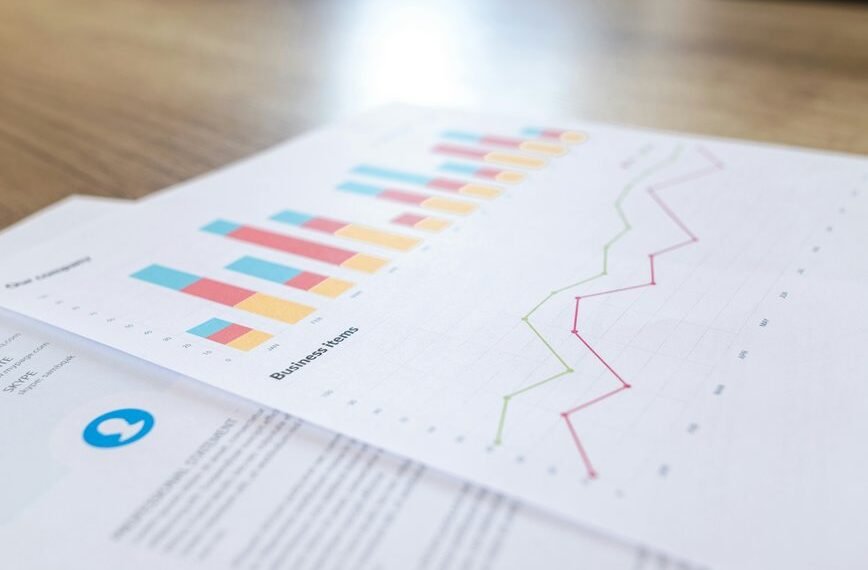
The Advanced Reference Validation Sheet for identifiers such as 120952081 and 11865 demonstrates a systematic approach to assessing data integrity. This tool employs rigorous methodologies and advanced technologies to enhance accuracy. By focusing on credibility, it plays a crucial role in supporting informed decision-making. However, the implications of its findings extend beyond mere validation. Understanding how these practices influence organizational trust warrants further examination.
Understanding Reference Validation
Reference validation serves as a critical component in the research process, ensuring the credibility and reliability of sources. It encompasses systematic validation processes aimed at preserving reference integrity.
Methodologies for Effective Validation
Numerous methodologies exist for effective validation of sources in research, each tailored to address specific aspects of credibility and reliability.
Key approaches include rigorous verification techniques that assess data integrity through cross-referencing and source evaluation.
Technologies Supporting Data Accuracy
While traditional validation methods remain crucial, the integration of advanced technologies significantly enhances data accuracy in research.
Utilizing accuracy tools, such as machine learning algorithms and automated data validation software, fosters improved data integrity. These innovations enable researchers to identify discrepancies swiftly, ensuring a more reliable dataset.
Consequently, embracing technology leads to more informed decisions and greater trust in research outcomes.
Best Practices for Organizations
Organizations aiming to enhance their data management practices must adopt a framework that prioritizes accuracy and reliability.
Implementing reference checklists and robust validation strategies is essential for ensuring data integrity. By systematically verifying information and establishing clear protocols, organizations can reduce errors and improve decision-making.
This structured approach empowers stakeholders, fostering a culture of accountability and trust in organizational data practices.
Conclusion
In an age where misinformation thrives, the irony lies in the reliance on advanced validation sheets to discern truth from fiction. While organizations strive for credibility through meticulous verification methodologies, one wonders if the very tools designed to uphold integrity might ultimately become victims of the data they seek to validate. However, the commitment to employing cutting-edge technologies and best practices underscores a paradox: in our quest for accuracy, we increasingly depend on systems that could, ironically, mislead us.